It has been truly fascinating to learn about the early representation of the human form. It has always been true that different countries value different parts of the body. The creativity used to render body sculptures in ancient art is interesting because some features are dramatized and others left under dramatized. Some cultures favor some parts of the body more. For instance African tribes recognized a large pot belly with men to be a sign of wealth and prosperity. In america however society prefers a more slender figure in both men and women. In today’s art we sometimes over exaggerate features to make things more appealing, like a curvey pin-up tattoo. The same was done in ancient art.
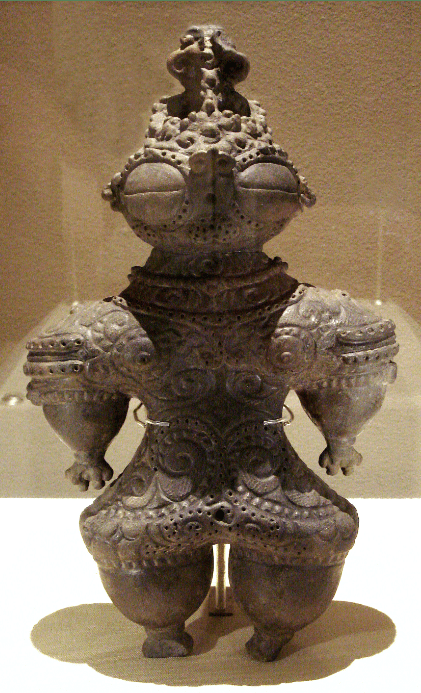
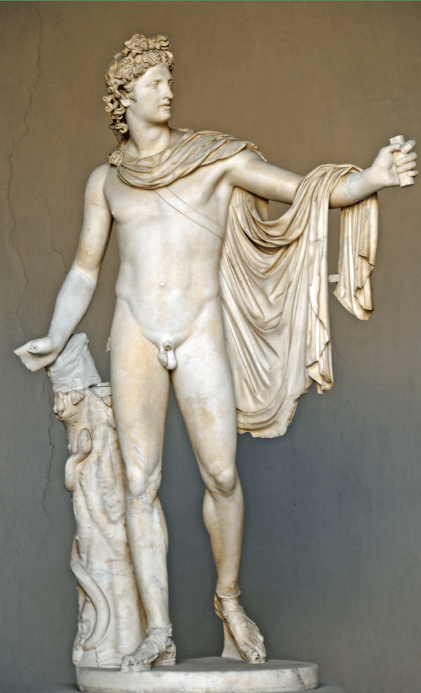
Ancient japanese artists have rendered the figure known as the “Dogū“. The Dogū to some may represent the male figure with large strong legs and arms. The arms are definitely one of the focal points to these pieces because the japanese value strength from their men. If you look at female japanese painting the womans bodies are usually more slender (with some exceptions of course). The image below is (Dogū, Ebisuda site in Tajiri, Miyagi Prefecture, 1000–400 BC) and shows how large the artist actually chose to make the limbs to represent strength. This message is clearly received by the viewer because that type of body is not anotomically correct. The Dogū is also a female form, (most popularly a female form that is), and in this case we see the figure as a childbearing woman with large hips and big eyes. A childbearing body is typically desired across many cultures including european, japanese and american. In sharp contrast to this we have the utter surrealism that came from greek depictions of the body. Many to almost all of greek art showing bodies is accurate to proportion and anatomy. Famously the sculpture of leochares of Appolo comes to mind as very anotomically correct and a good example of this but also a baseline for what was important to the greeks honestly and accuracy threw art. The scale of this sculpture is much bigger than the average human, because the greeks valued the gods being seen as mighty. though these two pieces are very different, they both represent the body in a beautiful way. Both works chose to focus on society’s preference, gender roles, and purpose.